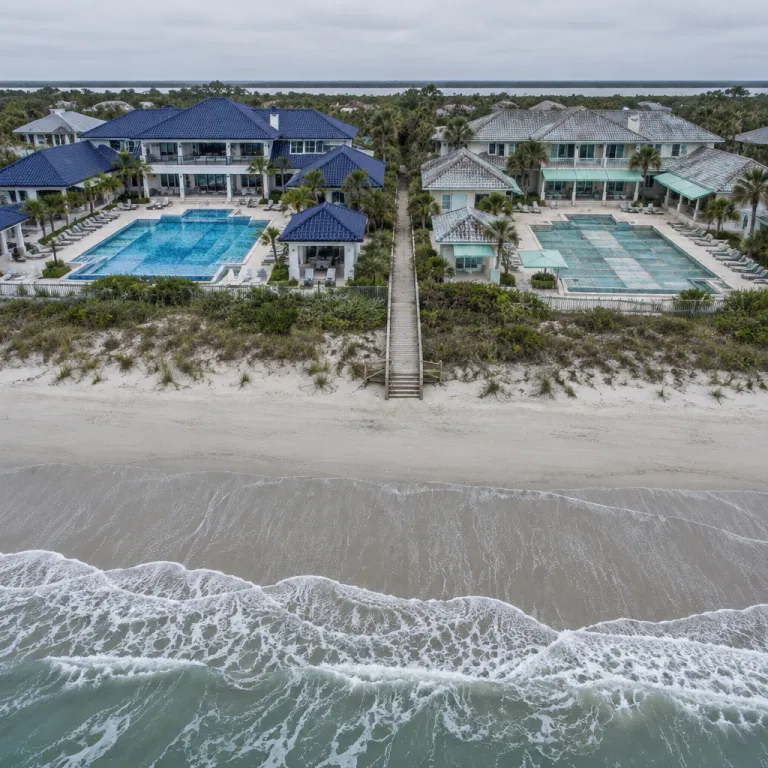
From beachfront brand asset to digital asset class
The Surf and Sand Resort official website domain has evolved from a simple marketing address into a strategic digital asset that shapes valuation. For dirigeants and asset managers, the way this online platform captures demand for a beach resort or beachfront hotel now influences underwriting assumptions, capital allocation, and the appetite of fonds d’investissement for coastal properties. In M&A processes, bidders increasingly benchmark how the official site converts direct traffic into high value room nights across the hotel, resort, and private residences mix.
When a property is located directly on white sand facing the Pacific Ocean, the digital narrative must mirror the physical experience with precision. The Surf and Sand Resort online presence therefore needs to present the resort as an award winning luxury residence style property, with clear articulation of room categories, ocean view suites, and meeting space for corporate clients. Buyers compare this clarity with previous versions of the site, using analytics and cookies consent data to evaluate how effectively the brand monetises each room type and each segment of demand.
For hotel groups and hotels resorts platforms, the domain is now treated like a core intangible asset, similar to a prime district address in San Francisco or Palm Springs. The Surfsand Resort brand in Cannon Beach shows how a beachfront hotel can leverage its situated heart of town location and direct access to the beach to drive premium pricing through its official domain and booking engine. In portfolio strategy committees, this digital strength is weighed alongside physical amenities such as a fitness center, swimming pool, or infinity pool when deciding whether to hold, reposition, or divest a coastal property.
Market intelligence from official domains in coastal resort transactions
Serious acquirers now mine the Surf and Sand Resort official website for market intelligence before they even request a data room. Traffic patterns, booking windows, and channel mix derived from first party cookies give a sharper view of demand elasticity than many previous feasibility studies. For asset managers, this granular data helps calibrate pricing for each room category and for ancillary services such as meeting space, spa, and beach activities.
In coastal markets like Cannon Beach, Maui, Palm Springs, and San Francisco, the official domains of hotels and resorts act as live barometers of traveler sentiment. A Surfsand Resort style beachfront hotel that is situated heart of a walkable district can test new packages, track conversion, and then feed these insights into portfolio wide revenue strategies. When a resort is located in a valley destination such as Deer Valley, the same Surf and Sand Resort domain methodology can be adapted to measure how much guests value ski in ski out access versus wellness facilities like a fitness center or an indoor swimming pool.
Corporate strategy teams increasingly benchmark how many qualified leads and direct bookings are generated by each official domain per available room. This metric is then compared across hotels resorts platforms, from a beach resort on the Pacific Ocean to an urban hotel in the heart of a business district such as San Francisco or Orleans. For deeper context on how digital and human capital interact in hospitality M&A, many investors now study the strategic workforce analysis presented in a case study on employee numbers and M&A strategy, and then apply similar thinking to digital assets like the Surf and Sand Resort official website.
Evaluating brand equity behind the Surf and Sand Resort official website domain
Brand equity in coastal hospitality is no longer judged only by physical attributes such as a white sand beach, an infinity pool, or a panoramic ocean view. The Surf and Sand Resort official website domain now serves as the primary lens through which guests, corporate buyers, and even lenders perceive the brand’s promise of luxury and service. For dirigeants, the coherence between the digital story and the on property experience is a central due diligence theme in any hotel or resort transaction.
When a property is located in a premium leisure destination such as Cannon Beach or Maui, the official domain must articulate why this specific beach resort or beachfront hotel commands a rate premium. Investors look for evidence that the Surfsand Resort style positioning is anchored in tangible features like private residences, curated meeting space, and a well maintained swimming pool rather than in generic marketing language. They also scrutinise the privacy policy and cookies management to ensure that guest data is handled in a way that aligns with both regulation and the expectations of luxury clientele.
In multi asset portfolios, corporate strategy teams compare the Surf and Sand Resort online performance with domains of mountain properties in Deer Valley or urban hotels in San Francisco and Orleans. This comparison helps them decide whether to allocate more capital to coastal property upgrades, such as expanding the fitness center or adding new ocean view suites, or to redirect funds toward high growth urban districts. For Nordic investors, similar thinking underpins an analysis of chain affiliation value, which can be read as a parallel to the way a strong official domain enhances the strategic value of a standalone beach resort.
Digital due diligence and risk assessment for coastal hotels and resorts
Digital due diligence on the Surf and Sand Resort official website domain now sits alongside technical surveys and legal checks in serious M&A processes. Buyers want to understand how the domain captures demand for each room type, from entry level rooms to luxury suites and private residences, and how this demand translates into stable cash flows. They also evaluate whether the site’s privacy policy, cookies consent flows, and data architecture can support future CRM and loyalty strategies without costly replatforming.
For a beachfront hotel or beach resort located on the Pacific Ocean, reputational risk is tightly linked to how transparently the official site communicates environmental practices and community engagement. Asset managers therefore review not only the quality of the swimming pool, fitness center, and infinity pool, but also how these amenities are framed online in relation to water usage and coastal protection. In destinations like Cannon Beach or Deer Valley, where local communities are sensitive to over tourism, the tone of the Surf and Sand Resort digital presence can either mitigate or amplify stakeholder concerns.
Corporate strategy teams also assess concentration risk in digital demand. If too much traffic to the Surfsand Resort style domain comes from a single source market or a single device type, the property may be vulnerable to sudden shifts in travel patterns. Comparing these patterns with those of urban hotels in San Francisco or Orleans helps investors judge whether the coastal property’s digital reach is sufficiently diversified. This structured digital risk assessment is now a standard part of investment committee memos for hotels resorts platforms with significant exposure to beach and valley destinations.
Leveraging the Surf and Sand Resort official website domain for post acquisition value creation
Once a transaction closes, the Surf and Sand Resort official website domain becomes a powerful lever for post acquisition value creation. Asset managers work with operating partners to refine the positioning of the beach resort or beachfront hotel, ensuring that the online narrative reflects any new capital expenditure on rooms, meeting space, or wellness facilities. They also use A/B testing on the domain to optimise pricing for ocean view categories, private residences, and packages that combine the swimming pool, fitness center, and beach activities.
In integrated platforms, corporate strategy teams often roll out a unified digital playbook across coastal and mountain assets, from Cannon Beach to Deer Valley. This playbook defines how each hotel or resort should present its location, whether situated heart of a lively district or in a secluded valley, and how to balance luxury messaging with clear information about the privacy policy and cookies usage. Over time, the performance of the Surf and Sand Resort website becomes a benchmark for other hotels resorts in the portfolio, guiding decisions on which properties merit further digital investment.
One coastal portfolio, for example, documented a post acquisition uplift after redesigning a beachfront hotel’s official domain using this approach. By clarifying room type descriptions, improving ocean view imagery, and simplifying the booking path, the property increased direct booking conversion from approximately 1.4 % to 2.1 % over twelve months, while maintaining rate integrity. Similar optimisation principles are now applied to the Surf and Sand Resort official website domain to support value creation plans.
Positioning coastal assets in portfolio strategy using domain level data
Portfolio strategy for hospitality investors now integrates domain level data from assets like the Surf and Sand Resort official website domain into macro allocation decisions. Instead of relying only on RevPAR and EBITDA, dirigeants examine how effectively each beach resort, valley property, or urban hotel converts digital interest into profitable stays. This approach reveals which properties truly function as flagship hotels resorts and which are underleveraging their location, amenities, or brand equity.
For example, a Surfsand Resort style beachfront hotel located on white sand in Cannon Beach may show exceptionally high engagement with ocean view and private residences content. In contrast, a property in Deer Valley might see stronger interaction with winter packages that highlight the infinity pool, fitness center, and après ski meeting space. By comparing these patterns with those of urban hotels in San Francisco or Orleans, corporate strategy teams can decide where to deploy capital for room renovations, where to expand meeting facilities, and where to reposition the brand entirely.
Domain analytics from the Surf and Sand Resort official website also inform exit timing. If direct booking share and engagement with high margin services such as spa, beach cabanas, and premium room categories are rising steadily, the asset may warrant a longer hold period. Conversely, if cookies data shows stagnating interest despite increased marketing spend, it may be time to recycle capital into higher growth markets like Maui or Palm Springs. In every case, the official domain has become a central instrument for aligning digital performance with long term portfolio objectives.
Key figures shaping digital and coastal hospitality investment
- Industry benchmarking from major lodging data providers indicates that resort and hotel RevPAR in many coastal destinations has grown by more than 10–15 % over the past three years, with beachfront hotel assets on the Pacific Ocean and Atlantic coasts often outperforming urban hotels in several mature markets.
- Analyst reports on upscale and luxury hotels suggest that direct digital channels, including official website domains, now account for roughly 35–45 % of bookings, which significantly increases the strategic value of domains like the Surf and Sand Resort official website domain.
- Recent capital markets commentary shows that hotels resorts with strong leisure positioning, such as beach resort properties in Cannon Beach or Maui, have experienced cap rate compression compared with previous cycles, partly due to resilient leisure demand and stronger direct booking performance.
- Surveys of guest behaviour highlight that properties with clear privacy policy disclosures and transparent cookies management on their official domains report materially higher trust scores, which correlates with stronger loyalty and repeat visitation.
- In mountain destinations such as Deer Valley, transaction evidence indicates that mixed use properties combining hotel rooms and private residences can achieve notable price premiums per square metre compared with pure hotel formats, reinforcing the importance of how these products are presented on official domains.
FAQ about digital strategy and the Surf and Sand Resort official website domain
How does the Surf and Sand Resort official website domain influence asset valuation ?
The Surf and Sand Resort official website domain influences valuation by driving direct bookings, shaping brand perception, and providing granular demand data. Investors assess how effectively the domain converts traffic into high margin stays across room types, suites, and private residences. Strong digital performance can justify tighter cap rates for a beach resort or beachfront hotel asset.
Why do M&A teams focus on cookies and privacy policy during due diligence ?
M&A teams focus on cookies and the privacy policy because they determine how guest data is collected, stored, and used for marketing. Non compliant or opaque practices can create regulatory and reputational risks that affect the value of the hotel or resort. Robust data governance on the official domain supports scalable CRM and loyalty strategies after acquisition.
What digital metrics matter most for coastal hotels and resorts ?
Key digital metrics for coastal hotels and resorts include direct booking share, conversion rate by room type, and engagement with content about amenities such as the swimming pool, fitness center, and infinity pool. Time on page for ocean view and beach related content is also critical for a beach resort or Surfsand Resort style property. These indicators help asset managers understand pricing power and guest preferences.
How can portfolio owners use domain data to guide capital expenditure ?
Portfolio owners use domain data from sites like the Surf and Sand Resort official website domain to see which amenities and room types generate the most interest. If guests consistently engage with meeting space content, for example, expanding or upgrading those facilities may yield strong returns. Conversely, low engagement with certain features can signal where capital should not be deployed.
Is the role of official domains different for urban and leisure hotels ?
The role of official domains is similar in that both urban and leisure hotels rely on them for direct bookings and brand storytelling. However, leisure properties such as beachfront hotel assets in Cannon Beach or valley resorts in Deer Valley depend more heavily on emotional imagery and experience driven content. Urban hotels in San Francisco or Orleans place greater emphasis on location, business services, and meeting space information.