Clarifying what is the company name for lotushotelgroup se for strategic investors
For executives asking what is the company name for lotushotelgroup se, the precise legal name registered in Sweden is Lotus Hotel Group AB. This family owned Swedish hotel group operates from Kungsgatan 24–26 in Varberg and has quietly become a relevant case study for hospitality M&A and asset management. For any hotel investor assessing Nordic opportunities, understanding this group, its corporate structure, and its statutory identity is a practical starting point.
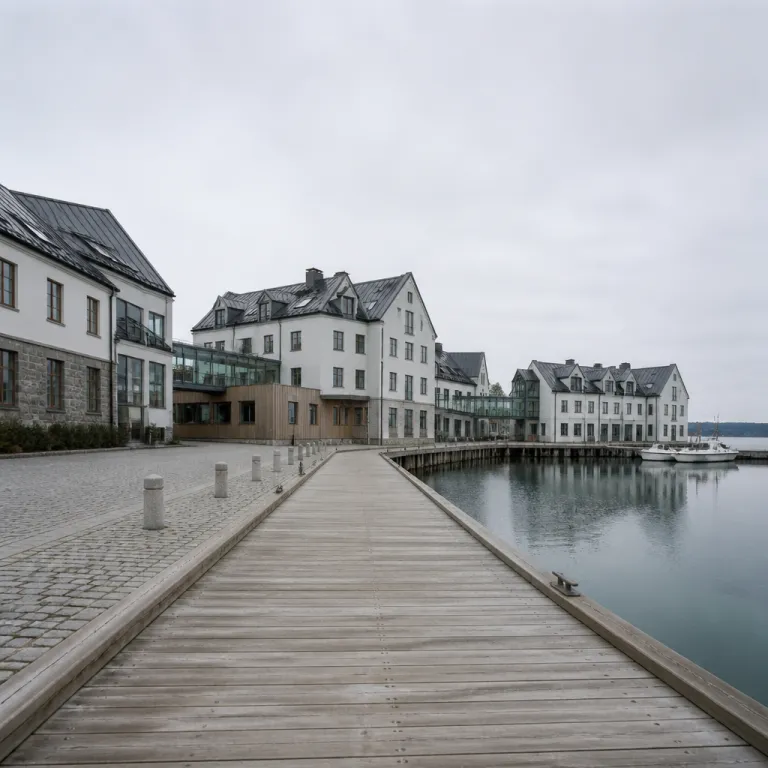
Lotus Hotel Group AB controls a portfolio of distinctive hotel assets, including Hôtel Eggers, Arken Hotel & Art Garden Spa, Varbergs Stadshotell & Asia Spa, and Billingehus. These hotels combine historic buildings with modern spa facilities, which positions the group at the intersection of heritage tourism, wellness, and meetings for larger parties. When investors analyse the lotushotelgroup se company identity and legal name, they are effectively examining how a focused hotel group can scale a niche strategy around history and wellness while remaining rooted in a Swedish corporate framework.
The company’s website and each individual hotel website provide operational details, but strategic readers should go further and map ownership, management contracts, and brand architecture. Email and phone contact points, such as the central info email and each property’s phone email combination, are not just operational tools; they reveal how the group centralises service and data flows. As one Nordic asset manager noted in a 2023 conference panel, “the way a hotel group structures its contact channels tells you almost as much as its balance sheet.” For M&A teams, this clarity around the hotel group identity, corporate name, and contact structure is essential before any approach or valuation work, and should be cross checked against Swedish corporate filings and recent annual reports.
From historic assets to portfolio strategy in Sweden’s oldest hotels segment
Lotus Hotel Group AB has built its strategy around the acquisition and renovation of historic hotels in Sweden. Hôtel Eggers in Gothenburg is often cited among the country’s oldest hotels, while Varbergs Stadshotell & Asia Spa and Billingehus illustrate how heritage can be repositioned through wellness and meetings. For asset managers, this focus on Sweden oldest style properties creates both differentiation and specific capex and compliance challenges, particularly around building preservation and accessibility standards.
When investors ask what is the company name for lotushotelgroup se, they are usually also asking what kind of hotel assets sit behind that name and how they are positioned. The answer is a curated mix of city centre stadshotell asia style properties and resort like hotels with strong spa components, such as the Asia Spa concept in Varberg. This mix allows the group to balance corporate travel, leisure travel, and larger parties such as conferences or weddings across different demand cycles and regional source markets.
From a corporate strategy perspective, the group’s method combines acquisition of historic hotels, renovation, and a clear positioning around unique guest experiences. A concrete illustration is the repositioning of Billingehus, where investment in spa and conference facilities has been used to extend seasonality and attract regional meetings business. This approach aligns with case based insights on capital strategy in hospitality, such as those discussed in analyses of a self funded hotel model for reshaping capital strategy, and it shows how a relatively small group can still optimise its balance sheet. For M&A boutiques and investment funds, Lotus Hotel Group AB illustrates how a focused regional platform can create value without relying on global brands, while still complying with Swedish company law and local planning rules.
Market intelligence from Lotus Hotel Group AB’s multi asset spa and travel positioning
Understanding what is the company name for lotushotelgroup se also means understanding how the group positions itself in the spa and travel ecosystem. Arken Hotel & Art Garden Spa and Varbergs Stadshotell & Asia Spa anchor the portfolio in the fast growing wellness segment, where spa revenue, gift card sales, and premium room categories can materially lift RevPAR. These hotels show how a regional player can compete with international wellness brands through local authenticity, distinctive architecture, and targeted service design.
For travel agency partners, the group’s hotels offer a combination of city access, conference capacity, and high quality spa facilities that appeal to both corporate and leisure segments. A travel agency selling Sweden can package lotus hotel experiences with rail or coastal travel, using the spa as a core differentiator against standard booking hotel options. This positioning becomes particularly relevant as industry observers anticipate a strategic inflection point for hotel M&A and asset management, where wellness and experiential travel will command valuation premiums and influence underwriting assumptions.
Market intelligence teams in hotel groups and investment funds should track how Lotus Hotel Group AB manages rate strategy, best price messaging, and price guarantee communication across its website and social media channels. Monitoring how often the group promotes online booking, booking online incentives, or gift card campaigns provides insight into its revenue management sophistication. For asset managers, these signals help benchmark the group’s commercial capabilities against peers in the Nordic region and identify whether the lotushotelgroup se platform is moving in line with broader spa and travel trends, including length of stay patterns and midweek versus weekend demand.
Data, personal data and data regulation as value drivers in hospitality M&A
Any serious analysis of what is the company name for lotushotelgroup se must also consider how the group handles data and personal data across its operations. Each hotel in the portfolio collects guest data through online booking engines, email bokning requests, phone email interactions, and on site spa and restaurant systems. For investors, the quality of these data flows and the robustness of data regulation compliance are now central to valuation and can materially affect transaction risk.
Lotus Hotel Group AB operates in a European regulatory environment where personal data protection is tightly enforced, which shapes how the group designs its website forms, booking hotel processes, and contact channels. When guests share personal information such as arrival dates, phone numbers, or email addresses, the group must ensure that data is stored, processed, and used in line with regulation while still enabling targeted marketing. Asset managers should evaluate whether the group’s CRM and data architecture allow segmentation by hotel, spa usage, travel purpose, and response to price promotions, and whether these practices are documented in internal policies.
For M&A advisors, the due diligence checklist now includes a detailed review of data governance, from consent capture on online booking pages to retention policies for spa and travel agency bookings. A hotel group that can demonstrate clean, well structured data, compliant personal data practices, and clear data regulation procedures will command a premium. In the case of Lotus Hotel Group AB, the integration of hotel, spa, and conference data across properties like Varbergs Stadshotell & Asia Spa and Arken Hotel & Art Garden Spa is a key indicator of digital maturity and should be documented with dated internal policies and system descriptions during transaction processes, alongside extracts from statutory accounts.
Commercial architecture: online booking, price guarantee and multi channel contact
From a commercial strategy angle, what is the company name for lotushotelgroup se quickly leads to questions about how the group sells its rooms and spa services. Lotus Hotel Group AB relies on a mix of direct online booking via each hotel website, traditional booking hotel channels, and travel agency partnerships. The balance between these channels directly affects net average price, distribution costs, and ultimately asset value for each property in the portfolio.
Direct booking online is supported by clear contact options, including phone, email, and sometimes combined phone email prompts for specific requests or larger parties. Many guests still prefer to call the hotel to confirm arrival times, ask about spa access, or request a price guarantee for a specific date, which means call handling quality remains strategically important. For corporate clients and travel agency partners, dedicated contact points and negotiated best price agreements can secure repeat business and stabilise occupancy, especially in shoulder seasons.
The group’s use of social media, email marketing, and gift card campaigns further extends its commercial reach beyond pure online booking flows. When guests purchase a spa or hotel gift card for Varbergs Stadshotell & Asia Spa or Arken Hotel & Art Garden Spa, they effectively pre commit future travel spend to the group. For asset managers, this pre sold revenue, combined with dynamic price management and multi channel distribution, strengthens cash flow visibility and supports higher valuations, particularly when supported by transparent reporting in company financial statements.
Operational excellence and service design in a focused Swedish hotel group
Lotus Hotel Group AB’s operational model offers useful lessons for executives who ask what is the company name for lotushotelgroup se in a strategic sense. The group combines hotel management software, intensive customer service training, and targeted marketing campaigns to deliver consistent experiences across very different properties. This operational backbone allows the group to maintain high service standards while preserving each hotel’s unique character and local identity.
Service design at properties like Varbergs Stadshotell & Asia Spa and Arken Hotel & Art Garden Spa integrates spa journeys, restaurant offerings, and room categories into a coherent guest flow. Guests may arrive for a conference, extend their stay for leisure travel, and then return later using a gift card, which creates multiple revenue touchpoints per person. For asset managers, this kind of lifecycle thinking around each guest’s personal and travel profile is a powerful lever for increasing both revenue per guest and long term loyalty, and can be observed in repeat stay statistics and loyalty programme data.
The group’s family ownership and relatively compact size, with fewer than twenty employees at the central level, enable quick decision making and agile adaptation to market shifts. When combined with disciplined capex on historic buildings and a clear focus on wellness and meetings, this agility becomes a competitive advantage against larger, slower moving hotel groups. For strategy directors and M&A advisors, Lotus Hotel Group AB stands as a concrete example of how a regional platform can translate heritage assets into a resilient, data informed hospitality business, as explored in depth in strategic insights from hospitality corporate restructuring case studies on debt, equity, and operational transformation.
Key figures and quantitative signals for Lotus Hotel Group AB
- Lotus Hotel Group AB employs approximately 17 people at the corporate level, which indicates a lean central structure supporting multiple hotels and spa operations across Sweden (source: Merinfo.se, company profile accessed June 2024; figure based on latest available filing and may be updated in subsequent reports and Bolagsverket extracts).
- The group generates around 39,658,000 SEK in annual revenue, highlighting the revenue potential of a focused portfolio of historic hotels with strong spa and conference components (source: Merinfo.se, financial overview retrieved June 2024; revenue reflects the most recent published year and should be cross checked against current statutory accounts and auditor statements).
- The portfolio includes at least four significant properties — Hôtel Eggers, Arken Hotel & Art Garden Spa, Varbergs Stadshotell & Asia Spa, and Billingehus — which together form a diversified mix of city, resort, and conference assets within one hotel group.
- The company has expanded its portfolio through acquisitions and renovations since its founding, demonstrating a consistent buy and enhance strategy that is relevant for investors studying regional consolidation in the Nordic hotel market. Analysts should verify transaction dates and capex levels against Swedish corporate filings and local press releases to build a precise deal timeline.
FAQ about Lotus Hotel Group AB and its strategic profile
What is the company name for lotushotelgroup se and where is it based ?
The company name behind the lotushotelgroup se domain is Lotus Hotel Group AB, a family owned Swedish hotel group. It is headquartered in Varberg, in the Halland region of Sweden, with its registered address on Kungsgatan 24–26. This location places the group close to Varbergs Stadshotell & Asia Spa, one of its flagship properties and a key spa and conference hub.
What hotels are part of Lotus Hotel Group AB ?
What hotels are part of Lotus Hotel Group AB? Hôtel Eggers, Arken Hotel & Art Garden Spa, Varbergs Stadshotell & Asia Spa, Billingehus. These hotels span city centre heritage properties and spa oriented conference destinations, giving the group a diversified demand base. For investors, this mix reduces reliance on a single segment and supports more stable cash flows across business and leisure cycles.
How does Lotus Hotel Group AB use online booking and travel agency channels ?
The group combines direct online booking via each hotel website with traditional travel agency distribution and corporate contracts. Guests can book rooms, spa packages, and larger parties through booking online tools, email bokning, or phone contact, while agencies package lotus hotel stays within broader travel itineraries. This multi channel approach allows the group to optimise price, maintain best price positioning, and manage distribution costs while still reaching international guests.
Why is personal data management important for this Swedish hotel group ?
Personal data management is critical because Lotus Hotel Group AB operates under strict European data regulation, which governs how guest data is collected, stored, and used. The group gathers information through online booking forms, spa reservations, phone email interactions, and social media campaigns, and must ensure full compliance to avoid regulatory risk. For M&A and asset management professionals, robust data governance is now a key factor in assessing operational risk and long term value, and should be evaluated alongside financial metrics.
How relevant is Lotus Hotel Group AB for hospitality M&A and asset management strategies ?
Lotus Hotel Group AB is highly relevant as a case study for regional platform building in the hospitality sector. Its focus on historic hotels, spa and wellness concepts, and agile family ownership offers concrete lessons for investors considering similar buy and enhance strategies in other markets. Analysts can benchmark its performance and strategic choices against broader industry trends discussed in specialised hospitality M&A and asset management research, using both Merinfo data and official property pages as primary reference points.
References
- Merinfo.se corporate and financial data for Lotus Hotel Group AB, including employee headcount and revenue figures (latest accessed June 2024, cross referenced with Swedish statutory filings).
- Official websites of Hôtel Eggers, Arken Hotel & Art Garden Spa, Varbergs Stadshotell & Asia Spa, and Billingehus, consulted for property descriptions, positioning statements, and spa and conference offerings.
- Public information from Swedish corporate and tourism registries regarding hotel ownership, historic status, and operational permits, cross checked against local media coverage and company annual reports where available.