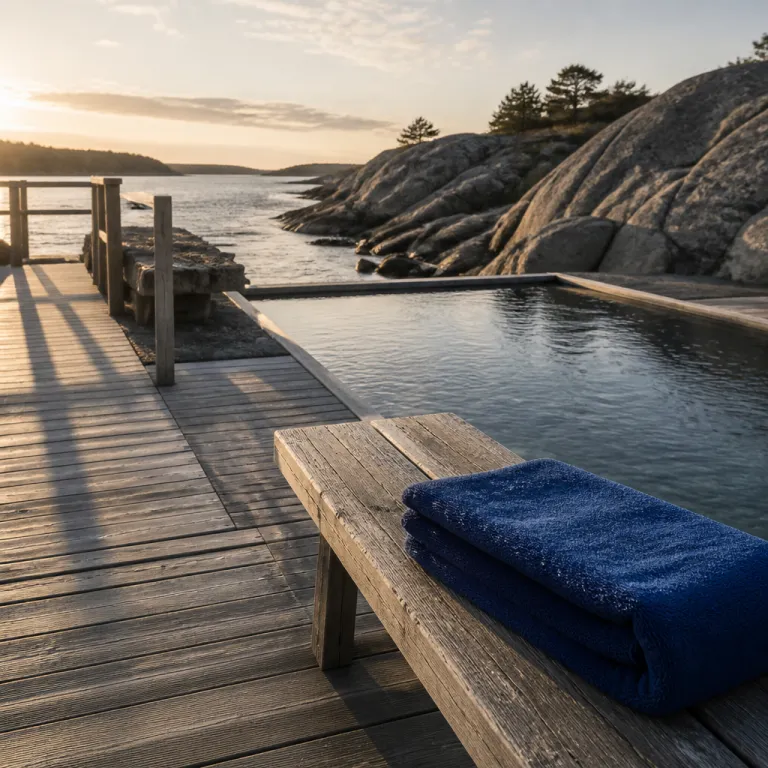
From meetings engine to pure rooms revenue: what “hankohotell no meetings and events” really means
In this article, “hankohotell” refers to a hypothetical spa hotel in Norway used as an illustrative case, not to an identified operating asset. When a leisure focused hotel in Norway signals a clear “no meetings and events” positioning, it is not a branding whim. This shift from traditional conference and event business toward a pure rooms and wellness model reshapes the asset’s risk profile, capital allocation, and long term cash flow quality. For hotel dirigeants and asset managers, the question is simple yet strategic: how can a hanko hotell style property, focused on leisure rooms and hotell spa revenue, still deliver the best institutional grade performance without the stabilizing effect of corporate event demand?
Many Nordic hotel assets historically relied on meetings and events to smooth seasonality, especially in secondary destinations with volatile traffic and limited airlift. When a hotel in Norway deliberately exits this segment, the investment thesis must be reframed around higher average daily rate, longer length of stay, and deeper guest wallet capture in the spa hotel and wellness ecosystem. The phrase “hankohotell no meetings and events” therefore becomes shorthand for a new asset strategy where every room, every day, and every minute of guest time is monetized through tailored experiences rather than ballroom volume.
For funds d’investissement and M&A boutiques, this repositioning changes underwriting assumptions on both rooms and ancillary revenue, as well as exit multiples. A hanko hotell style spa hotel that no longer hosts any corporate event will depend more heavily on direct website traffic, social channels, and reputation in wellness communities to sustain pricing power. The asset’s value will hinge on how well the hotell spa concept converts high intent leisure demand into premium room and spa spend, rather than on the largest banquet capacity or meeting rooms inventory. Basic contact details, clear room descriptions, and transparent spa information on the official website become part of the core value story.
Rebuilding the hotel P&L when events disappear from the mix
Removing meetings and events from a hotel P&L forces a complete rethink of revenue architecture and cost structure. A hankohotell type spa hotel that no longer sells event packages must extract more value from each room and from every square metre of non rooms space. Asset managers will need to model how the shift from group to individual demand affects staffing, energy usage, and maintenance cycles across the hotell.
Benchmarking against event heavy properties such as Hanabishi Hotel in Hakodate or The Crown Palais New Hankyu Kochi helps quantify the trade off. Hanabishi Hotel operates four meeting rooms totaling 1 841 square metres, while the largest meeting room at The Crown Palais New Hankyu Kochi can host 1 000 people, which illustrates how deeply meetings and events can anchor a hotel’s revenue base (Northstar Meetings Group; TravelAge West). When a Norway based hanko hotell style asset chooses the “hankohotell no meetings and events” route, it is effectively renouncing this stabilizing pillar and betting that a focused spa hotel model will generate superior RevPAR and EBITDA margins.
To make that bet work, revenue management must become more surgical and more strategic. Leaders should integrate advanced pricing and segmentation practices, similar to those described in strategic revenue management for hotel asset performance, to optimize rooms yield across weekdays, weekends, and shoulder periods. As a simple sensitivity example, moving average daily rate from NOK 1 600 to NOK 1 760 on 100 rooms at 70% occupancy adds roughly NOK 1,1 million in annual rooms revenue, while increasing spa revenue per occupied room from NOK 300 to NOK 360 can add a similar amount. The hotell spa offering must therefore be priced dynamically as well, with bundled room and spa packages that lengthen stay, increase spend per day, and compensate for the absence of event related food and beverage revenue.
Monetizing time and space in a pure leisure spa hotel model
Once meetings and events disappear, time itself becomes the most valuable asset inside the hotel. Every hour a room sits empty, every off peak slot in the spa, and every underused lounge area at hankohotell represents unrealized revenue. Asset managers will therefore push operating teams to treat guest time as a portfolio of micro moments that can be curated, priced, and sold.
In a hanko hotell style spa hotel, this means designing day use spa passes, late checkout fees, and wellness workshops that turn low demand periods into profitable micro events without contradicting the “hankohotell no meetings and events” promise. The hotell spa can host small scale social experiences such as yoga sessions or tasting menus that are framed as guest activities rather than external corporate events, preserving the brand narrative while still monetizing space. To avoid cannibalizing rooms revenue, these offers must be carefully scheduled by time of day and by room type, ensuring that premium suites and the best view rooms remain dedicated to overnight guests.
Data driven personalization becomes critical in this context, because the asset’s upside lies in how well it anticipates individual preferences. Leaders should look at measurable personalization ROI, where guest profiles, booking patterns, and website behavior inform targeted offers for spa treatments, room upgrades, or curated experiences. When the hotel knows which guests are likely to extend their stay, which channels drive the most profitable traffic, and which social campaigns convert best, it can orchestrate a seamless journey that turns a simple room booking into a high value wellness stay.
Capex, PIP and the physical reprogramming of hankohotell
Shifting to a “hankohotell no meetings and events” strategy is rarely possible without significant capital expenditure. Ballrooms, breakout rooms, and pre function areas must be reprogrammed into revenue generating leisure spaces that align with a spa hotel positioning. For asset managers, the key question is how to transform mandatory PIP obligations into a coherent capital plan that enhances long term asset value.
In a hanko hotell type property, underused event rooms can become additional spa cabins, thermal suites, or premium wellness suites that command higher average rates. Converting the largest former meeting room into a signature spa experience or a cluster of high end rooms can materially improve the hotel’s revenue per square metre, provided the design and operational concept are tightly aligned. Strategic guidance on turning hotel PIP obligations into a capital plan helps dirigeants arbitrate between expanding the spa, upgrading existing rooms, or creating new social spaces that extend guest dwell time.
Traffic patterns inside the hotell must also be reconsidered once large events no longer drive peak flows. Circulation from lobby to spa, from room corridors to outdoor areas, and from restaurant to relaxation zones should be redesigned to encourage spontaneous consumption and social interaction. When executed well, the new layout supports a coherent hanko hotell identity where every room, every spa zone, and every shared space contributes to a premium, leisure first narrative that justifies higher pricing and stronger asset performance.
Digital strategy, direct channels and the role of social proof
Without meetings and events to feed corporate contracts, a hankohotell style spa hotel must rely heavily on direct and digital channels. The official website becomes the primary storefront for rooms, spa packages, and curated stays, while social platforms provide the storytelling layer that shapes perception. Asset managers should treat digital acquisition costs and conversion rates as core KPIs, not marketing side notes.
For a hanko hotell in Norway, the website must clearly articulate the “no meetings and events” positioning while showcasing the best aspects of the spa hotel experience. Detailed room descriptions, transparent spa menus, and clear contact details help reduce friction and increase direct bookings, especially for guests planning multi day wellness stays. Social content should highlight real guest experiences, seasonal offers, and behind the scenes views of the hotell spa, reinforcing the idea that this is a sanctuary for rest rather than a venue for any corporate event.
Partnerships with specialized wellness agencies and high intent traffic sources can further strengthen the demand base. Unlike event driven hotels that rely on MICE intermediaries, a hankohotell style asset will benefit more from collaborations with health retreats, sports clubs, or local cultural actors that align with its leisure focus. Over time, consistent digital storytelling and strong online reviews will build a reputation moat, allowing the hotel to command premium rates for its rooms and spa services while maintaining a leaner sales structure than traditional conference hotels.
Implications for M&A, valuations and portfolio strategy
For investors and M&A advisers, the “hankohotell no meetings and events” model introduces a distinct asset class within the broader hospitality universe. These spa hotel assets trade less on meeting room counts and more on wellness credentials, guest satisfaction, and direct channel strength. Valuation models must therefore adjust their weighting of rooms revenue, ancillary spa income, and the stability of leisure demand.
In portfolio construction, a hanko hotell style property can play a complementary role alongside urban conference hotels and resort assets. While it may lack the defensive qualities of contracted corporate event business, it offers upside through higher margins, lower operational complexity, and reduced exposure to corporate travel cycles. For groups hôteliers, clustering several hankohotell type properties across Norway and neighboring markets can create economies of scale in spa procurement, wellness talent, and brand marketing.
Due diligence on such assets should go beyond traditional metrics like the largest room inventory or historical event revenue. Investors need granular data on website conversion, social engagement, spa utilization by time of day, and repeat guest ratios to assess the resilience of the business model. When these indicators are strong, a focused spa hotel with no meetings and events can justify attractive valuation multiples, especially for funds seeking differentiated exposure to experiential travel and wellness driven demand.
Key statistics for meetings, events and spa focused hotel assets
- Hanabishi Hotel in Hakodate operates four meeting rooms totaling 1 841 square metres of event space, illustrating the scale that traditional conference hotels can dedicate to meetings and events (source: Northstar Meetings Group, venue data).
- The Crown Palais New Hankyu Kochi can host up to 1 000 people in its largest Flowers Meeting Room, highlighting how a single room can anchor a hotel’s MICE positioning and group revenue (source: TravelAge West, hotel profile).
- Hank’s Social Hall in Charleston offers 2 140 square feet of private event space and can accommodate up to 120 guests, showing how specialized venues can capture social and corporate gatherings that hotels with no meetings and events deliberately forgo (source: Hank’s Social Hall official information).
- Hybrid and technology enabled events are seeing increased demand across the meetings industry, which reinforces the strategic nature of a “no meetings and events” stance for spa hotels that choose to focus solely on leisure and wellness revenue streams (source: industry trend summaries and meetings reports).
FAQ about spa hotels with no meetings and events
How does a “no meetings and events” policy affect hotel asset performance?
Removing meetings and events shifts the revenue mix toward rooms and spa income, which can increase margins if pricing and personalization are strong. However, it also removes a stabilizing source of group demand, so asset managers must carefully manage seasonality and channel mix. The overall impact on performance depends on how effectively the hotel monetizes guest time and ancillary services.
What operational changes are required when a hotel exits the meetings and events segment?
Hotels that stop hosting events typically reconfigure ballrooms and meeting rooms into leisure or wellness spaces, such as spa cabins, suites, or social lounges. Staffing models change as banqueting and large scale catering teams are reduced in favor of spa therapists, guest experience roles, and revenue management expertise. Technology investments also shift toward direct booking optimization and personalized guest engagement rather than event planning tools.
Can a spa focused hotel achieve stable cash flows without corporate events?
Yes, but stability comes from diversified leisure demand, strong direct channels, and high repeat visitation rather than from contracted corporate events. Spa hotels in destinations with resilient domestic traffic and clear brand positioning can achieve predictable occupancy across weekends and shoulder periods. The key is to build a loyal guest base and to design offers that encourage longer stays and higher spend per visit.
How should investors value a hotel that has no meeting rooms or event space?
Investors should place greater emphasis on metrics such as RevPAR, total revenue per available room, spa revenue per occupied room, and direct booking share. They should also analyze website conversion, social proof, and guest satisfaction scores, which are critical drivers of pricing power in leisure focused assets. Traditional indicators like meeting room count or historical MICE revenue become less relevant in this context.
What amenities do specialized event venues offer that hotels without events do not?
Specialized venues such as Hank’s Social Hall in Charleston typically provide dedicated event infrastructure, including 2 140 square feet of space with natural light, exclusive catering, and capacity for up to 120 guests. These venues are optimized for on site coordination, technical support, and customized catering, which hotels with a “no meetings and events” policy intentionally avoid. Spa hotels instead invest in wellness facilities, relaxation areas, and experiential programming that serve individual guests rather than large groups.
References
- Northstar Meetings Group – venue and capacity data for Hanabishi Hotel in Hakodate.
- TravelAge West – meetings and events information for The Crown Palais New Hankyu Kochi.
- Hank’s Social Hall official website – amenities and capacity details for the Charleston event venue.
