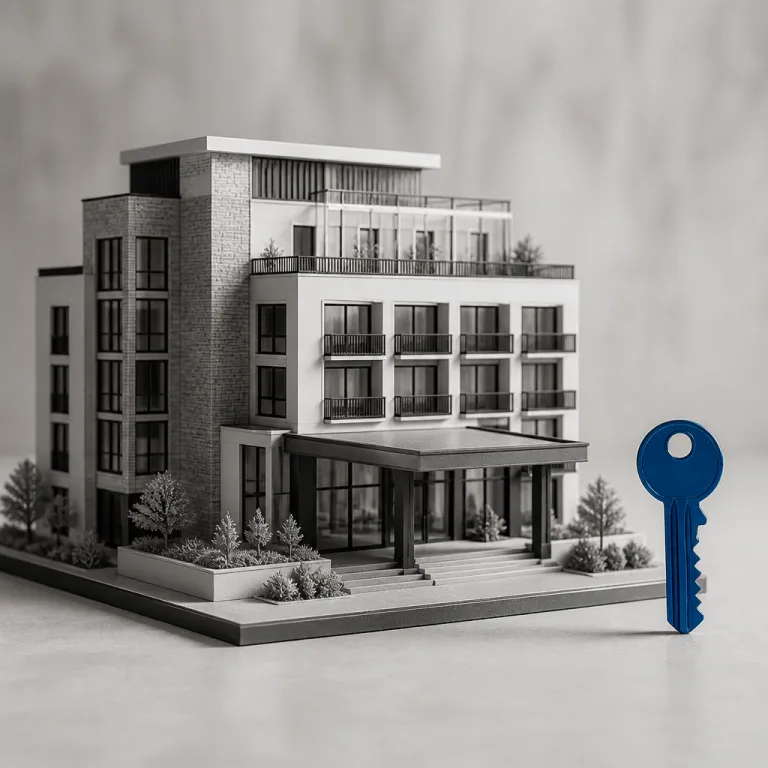
Why hospitality M&A teams now compete for experiential venues for sale
Hospitality investors are no longer chasing only classic hotels. They increasingly target experiential venues for sale where the property itself becomes the product and the brand. For senior executives and asset managers, this shift transforms target identification from a room count exercise into a search for differentiated event revenue engines with measurable, repeatable cash flows.
Across the United States, platforms such as Campground Investor and Showcase aggregate hundreds of hospitality-related property listings, including event venue assets and hybrid lodging concepts. These marketplaces list campgrounds, RV parks, restaurants, churches, and other venues for sale, giving M&A teams a live laboratory of pricing, positioning, and underwriting assumptions. Growing online inventory means that target screening must now integrate digital signals, not just traditional broker networks, and distinguish between lifestyle assets and scalable experiential venues.
For corporate strategy leaders in hotel groups, this surge in venues for sale opens a new adjacency. A carefully selected wedding venue or multi-purpose event venue can anchor regional brand awareness and feed demand into nearby hotels. One Texas-based hotel group, for example, acquired a hill country wedding estate for $4.2 million at an 8.1% going-in cap rate, then lifted net operating income by 18% within two years by professionalising sales and cross-selling rooms. The strategic question is no longer whether to enter the segment, but how to codify a repeatable playbook for identifying the right venue sale opportunities at scale.
Defining the right venue archetypes for M&A target identification
Before screening individual venues for sale, sophisticated buyers define clear archetypes aligned with their brand, capital structure, and risk appetite. A rural barn-style wedding venue set amidst hill country landscapes will behave very differently from an urban rooftop event venue in Austin. Asset managers need underwriting templates that reflect these operational and demand nuances, rather than treating all event properties as interchangeable.
One high-growth archetype is the countryside wedding venues cluster, often positioned as full-service estates on several acres with multiple ceremony sites and outdoor spaces. These properties typically combine a main house with 3 to 6 bedroom configurations, several baths, generous event spaces measured in hundreds of square metres or thousands of sqft, and curated photo backdrops around mature trees, water features, or historic structures. Another archetype is the suburban event venue near major cities in Texas, where a modern building with flexible event spaces and contemporary amenities can host both corporate events and a memorable wedding for local couples, smoothing seasonality and broadening the booking mix.
Legal and structural complexity also shapes the archetype definition for venues for sale. When assessing any hospitality real estate transaction, M&A teams must integrate regulatory, zoning, and licensing constraints into their target identification framework. For readers seeking a deeper legal lens on hospitality M&A, the analysis on risk, compliance, and strategic value in hospitality transactions offers a useful complement to the commercial view described here.
From real estate listing to strategic target: reading between the lines
Most venues for sale first appear as simple real estate listings, yet corporate buyers must read them as strategic dossiers. A listing that highlights a 500 square metre barn-style event space, 5 bedroom house, and 4 baths on 10 acres in hill country is not just a property; it is a potential regional flagship for wedding venues. The art lies in translating descriptive language into quantifiable cash flow, brand equity, and realistic underwriting assumptions.
Experienced asset managers dissect every line of a venue sale listing. References to multiple ceremony sites, dedicated dressing rooms, and landscaped outdoor spaces indicate a venue designed for a premium wedding experience with strong pricing power. Mentions of springs, ponds, or natural features set amidst rolling hills and trees signal strong photo opportunities, which directly influence social media visibility and referral-driven demand for any wedding venue. As one acquisitions director put it, “If couples can picture their photos in the listing, you are already halfway to the booking.”
Geography also matters when screening venues for sale, especially in markets such as Texas. A property located in the Austin metro area or in the surrounding hill country can plug into robust demand from tech companies, destination weddings, and leisure travellers. For a practical illustration of how strategic buyers approach regional markets, the playbook on acquiring hotels for sale in an evolving hospitality market provides a transferable framework that applies equally to event venue assets.
Operational DNA of high value wedding and event venues
Not every property marketed as a wedding venue or event venue has the operational DNA required for institutional capital. High-value venues for sale usually share a combination of physical, experiential, and systems-based attributes. Corporate strategy teams should codify these traits into their screening criteria before engaging brokers or platforms, so that early-stage filters reflect the realities of operating performance.
On the physical side, the best wedding venues combine flexible indoor event spaces with generous outdoor areas that can host both the ceremony and the reception. A typical high-performing property might include a climate-controlled hall of 600 to 900 square metres, a main house with 4 bedroom suites and 4 baths for the wedding party, and landscaped acres featuring multiple ceremony sites and varied photo locations. These elements create capacity for different event formats and guest counts, which in turn support premium pricing for the special day and higher average revenue per event.
Experientially, the most resilient venues for sale deliver a seamless wedding experience supported by modern amenities. Dedicated dressing rooms for both sides of the wedding party, integrated sound and lighting, commercial-grade kitchens, and weather-resilient outdoor spaces all reduce operational risk. When these features are combined with robust booking systems and data-driven revenue management, the venue transitions from a lifestyle property into an institutional-quality real estate asset that can sit comfortably within a diversified hospitality portfolio. In one case, a 220-event-per-year venue with an average ticket of $11,500, 68% Saturday occupancy, and a 9-month booking curve commanded a yield premium over peers lacking this operational depth.
Digital marketplaces as a deal sourcing engine for venues for sale
Digital platforms have quietly become one of the most efficient sourcing channels for hospitality venues for sale. Marketplaces such as Campground Investor and Showcase now list hundreds of commercial properties, including event venue assets, restaurants, and unique experiential estates. For M&A teams, these platforms function as always-on radar systems for off-brand and non-brokered opportunities, complementing traditional relationships with local intermediaries.
The dataset from these platforms is already significant. Campground Investor, for example, has reported several hundred active campground and resort listings in the United States, while Showcase regularly carries comparable volumes of store, restaurant, and church properties for sale nationwide. Each listing contains granular data on property size in sqft, number of bedrooms and baths, land area in acres, and often the current use as a wedding venue, church, or event venue. When aggregated, this information becomes a powerful benchmarking tool for pricing, yield expectations, and regional saturation of wedding venues and other event spaces, especially when combined with internal performance data.
To convert this raw data into strategic insight, leading investors integrate listing feeds into their internal analytics stacks. They track how quickly different types of venues for sale move from initial sale offers to under-contract status, and they monitor pricing differentials between Austin, wider Texas, and other hill country markets. For a deeper view on how to transform operational and listing data into a competitive advantage in hotel and venue M&A, the methodology outlined for turning operational systems into strategic assets is directly applicable.
Building a repeatable M&A playbook for experiential venue portfolios
Once a group has closed its first acquisitions of venues for sale, the priority shifts to building a repeatable playbook. The goal is to move from opportunistic purchases of a single wedding venue or event venue to a coherent portfolio strategy across multiple regions. Senior leadership and investment committees expect clarity on how each new venue sale will compound group-level value and fit within defined return thresholds.
A robust playbook starts with a clear segmentation of target venue types, from rustic barn estates in hill country to urban loft-style event spaces in Austin and other Texas cities. For each segment, the asset management team defines minimum thresholds for land size in acres, built area in sqft, number of bedrooms and baths in any on-site house, and required modern amenities such as climate control, AV infrastructure, and professional kitchens. They also codify experiential standards, including the number of ceremony sites, quality of outdoor spaces, and the overall wedding experience delivered on the special day, supported by service scores and online reviews.
Capital allocation rules then translate this segmentation into action for venues for sale. For example, the group may prioritise freehold real estate acquisitions of flagship wedding venues that anchor brand visibility, while using management contracts or leases for secondary event spaces. In one recent portfolio review, a buyer comparing two similar Texas venues found that the asset with on-site lodging, stronger digital reviews, and higher midweek corporate utilisation justified a purchase price roughly 15% above the alternative, yet still delivered superior risk-adjusted returns. Over time, this kind of disciplined decision-making allows corporate strategy teams to build a diversified yet coherent portfolio of venues for sale that enhances both financial performance and strategic positioning in the broader hospitality ecosystem.
Key statistics shaping the market for venues for sale
- Campground Investor has reported several hundred active campground and resort properties for sale in the United States, illustrating the depth of alternative hospitality real estate available to institutional buyers.
- Showcase regularly lists substantial volumes of stores, restaurants, and churches for sale nationwide, highlighting the breadth of commercial properties that can be repositioned as event venue or wedding venue assets.
- The continuous update cycle on these platforms means that new venues for sale appear regularly, giving M&A teams a dynamic pipeline rather than a static snapshot of the market.
- Digital listing platforms have materially increased efficiency in property transactions by centralising property images, detailed specifications, and contact information, which shortens the initial screening phase for asset managers.
FAQ on sourcing and acquiring venues for sale in hospitality M&A
How can corporate buyers list or sell a venue on major platforms?
To list a venue for sale on platforms such as Campground Investor or Showcase, sellers must visit the relevant website and follow the stated listing procedures, which usually include providing property details, images, and contact information. Fees and listing formats vary by platform, so asset managers should review the terms carefully before committing. For institutional sellers, coordinating with a specialised real estate broker can help align the listing with investor-grade expectations.
Are there fees associated with listing hospitality venues for sale?
Most digital marketplaces charge some form of fee for listing a property, whether as a flat listing fee, a subscription, or a success-based commission. The exact structure differs between platforms, so M&A teams should compare costs and visibility before choosing where to market a venue sale. For large portfolios, negotiating enterprise-level arrangements can reduce per-asset costs.
How frequently are online listings for venues updated?
Listings on major platforms are updated on a continuous basis, with new venues for sale added regularly and closed transactions removed or marked as under contract. The refresh frequency depends on both the platform and the responsiveness of brokers and owners. For serious buyers, setting up alerts and monitoring changes in status is essential to capture attractive event venue opportunities early.
Can institutional buyers contact sellers directly through these platforms?
Most property marketplaces provide direct contact information for the listing broker or owner, allowing buyers to initiate discussions without intermediaries. This direct access is particularly valuable when pursuing unique wedding venues or complex estates where speed and clarity matter. However, institutional buyers should still route negotiations through their internal legal and asset management teams to maintain governance standards.
Do online platforms provide financing options for acquiring venues for sale?
Some platforms partner with lenders or provide links to financing solutions, but these services vary widely and are not universal. For sizeable acquisitions of wedding venues or multi-asset portfolios, institutional buyers typically rely on their own banking relationships or structured finance teams. Using platform-suggested financing may be more relevant for smaller, owner-operator scale event spaces than for corporate-level M&A transactions.