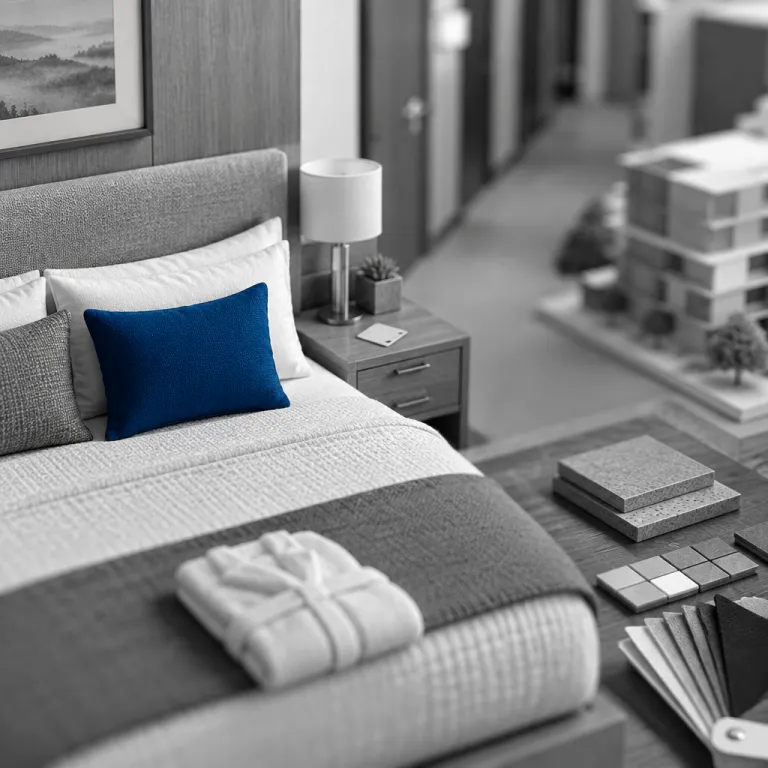
Why lifestyle hotel brand design has become a corporate strategy lever
Lifestyle hotel brand design at the upper midscale tier is no longer décor theatre. For dirigeants, asset managers and M&A teams, it has become a capital efficient way to reprice a hotel, stretch rate, and widen the pool of guests without crossing into luxury hotel cost structures. When a brand uses design to encode a clear identity, the asset can command a premium because travelers feel the property aligns with their own values and habits.
In this segment, the winning hotel brand is the one that translates local culture into a repeatable but flexible brand identity. Lifestyle hotels do this through a tight brand strategy that links public space design, guest experience rituals, and hospitality branding choices such as logo design, visual identity and social media tone. For corporate strategy teams, the question is not whether to have a lifestyle brand, but how many resort brand and boutique hotel projects the portfolio can support without fragmenting management hotel capabilities.
Upper midscale lifestyle hotels sit in a sweet spot between generic select service and full service resort. They use branding and design to create a strong sense of place while keeping room sizes, back of house layouts and service models lean. That is why Hilton’s push into lifestyle, Radisson RED’s expansion and similar plays are less about logos and more about a group strategy that treats design as a scalable operating system.
What ‘lifestyle’ really means for the upper midscale guest
For the modern guest, lifestyle is not about a lobby swing chair or a neon quote. It is the way a hotel uses design, content and service choreography to make travelers feel that the property understands their routines, from coffee rituals to laptop friendly corners and frictionless booking flows. When lifestyle hotel brand design works, guests sense that every touchpoint, from logo to playlist, is part of a coherent brand story.
Upper midscale lifestyle hotels rely on a few non negotiable design principles. First, social spaces carry more weight than room size, so the lobby, bar and rooftop become the primary stage for guest experience and hotel branding. Second, the hotel brand must translate local culture into tangible choices, such as a coastal boutique palette in a seaside hotel resort or a street art narrative in an urban boutique hotel, while still delivering the consistency that reassures frequent travelers. Third, the visual identity and brand identity systems must be simple enough for third party operators and franchisees to execute without diluting the sense of place.
Legacy flags often confuse standardization with safety, and they over specify finishes while under specifying the emotional arc of the stay. Lifestyle brands invert that logic and define the feel first, then back into cost efficient materials and modular furniture. For strategists thinking about loyalty ecosystems and walled gardens, the lesson from initiatives such as Marriott’s focus on AI driven loyalty engagement is clear : the brand that owns the guest relationship through meaningfully designed experiences will own the next generation of direct booking behavior.
Social spaces as the new P&L engine
In upper midscale lifestyle hotels, the lobby is no longer a pass through zone. It is a monetized social engine where F&B, coworking and micro events turn square metres into revenue per available seat, not just revenue per available room. For a GM or management hotel équipe, the design of these spaces is a financial decision as much as an aesthetic one.
Successful lifestyle hotel brand design treats the bar, café and rooftop as modular projects that can flex between day and night, locals and in house guests. A coastal boutique hotel resort might use a light, open bar that attracts local remote workers by day, then pivot to a resort brand sundowner ritual that draws both travelers and neighbours, lifting total guest experience scores and ancillary spend. The same logic applies in urban hotels, where a strong hospitality branding concept in the lobby can reduce pressure on room rates by generating stable non room revenue.
Operating these spaces requires a different hotel management mindset. Teams need programming skills, not just service skills, because the calendar of events, social media content and partnerships with local culture actors become part of the brand strategy. For executives building AI ready leadership habits, this is where data and design intersect : tracking dwell time, spend per seat and event conversion gives asset managers hard données to justify capex in social spaces and to refine the lifestyle positioning over time.
The operator’s playbook : running a lifestyle hotel versus a traditional flag
From an operator’s chair, a lifestyle hotel feels more like a living brand studio than a fixed template. Staffing models shift from rigid departments to cross trained équipes that can move between front desk, bar and event hosting, which changes both payroll structure and service culture. The GM of a lifestyle property spends more time curating partnerships and content than approving rate codes.
Guest engagement also looks different in lifestyle hotels. Instead of relying solely on standardized loyalty scripts, teams use the brand story and local culture cues to personalize micro interactions, from welcome rituals to recommendations that match the guest identity and trip purpose. This approach to hospitality branding turns every associate into a brand ambassador, which strengthens hotel branding and reduces the need for heavy above the line marketing spend.
For asset managers, the operational risk is that creativity drifts into inconsistency. The safeguard is a clear brand identity framework that defines non negotiable elements such as logo usage, visual identity, room typologies and minimum service standards, while leaving room for local interpretation. That balance allows third party operators to run lifestyle hotels and hotel resort assets under the same corporate umbrella without eroding the core promise that makes travelers choose the brand in the first place.
The conversion and portfolio opportunity for owners and M&A teams
Many upper midscale assets sitting under tired flags are structurally sound but emotionally invisible. For these hotels, a lifestyle conversion anchored in thoughtful lifestyle hotel brand design can be the fastest route to repositioning, especially when capex is focused on public spaces, façade, logo refresh and key touchpoints rather than full gut renovations. The goal is to move the asset from commodity to character, not from three stars to palace.
From a corporate strategy perspective, lifestyle conversions are attractive because they can be rolled out as repeatable projects across a portfolio. A group can define a lifestyle hotel brand with a clear brand strategy, then deploy it across city centre hotels, a coastal boutique resort brand and even selected luxury hotel adjacent properties, each time adapting the sense of place through materials, art and programming. This is where structured content and distribution strategy matter : hotels that fix their content layer, from photography to room descriptions and brand story narratives, gain a distribution moat in an AI driven discovery era.
Legacy flags often miss the opportunity because they cling to rigid prototypes that flatten local identity. Lifestyle brands, by contrast, use flexible design guidelines and strong hotel branding systems to let each hotel feel rooted in its neighbourhood while still recognisably part of a family. For M&A teams evaluating targets, the question becomes whether a property has the bones and location to support a lifestyle repositioning that will lift RevPAR index and asset value without locking the owner into an inflexible management hotel contract.
Brand architecture, digital layers and the next wave of lifestyle growth
As groups scale lifestyle brands, the challenge shifts from one off concepts to disciplined brand architecture. A portfolio that includes a mainstream hotel brand, a lifestyle boutique hotel label and a resort brand must clarify which guest segments, ADR bands and geographies each serves, or risk internal cannibalisation. Lifestyle hotel brand design then becomes the visible tip of a deeper strategic iceberg.
Digital layers now carry as much weight as physical ones. The way a hotel appears in booking flows, the coherence of its visual identity across social media and the clarity of its brand story in owned content all shape how travelers perceive value before they ever see the lobby. That is why structured data, consistent naming conventions and rich media assets are now part of core brand strategy, not a marketing afterthought.
For corporate leaders, the next phase of lifestyle growth will reward those who treat design, data and leadership as a single system. Executives who build habits around cross functional collaboration between design, hotel management, technology and asset management will be better positioned to scale lifestyle hotels without diluting their essence. In that context, lifestyle hotel brand design is not a soft topic ; it is a hard edged lever for portfolio performance, capital allocation and long term brand equity.
FAQ
How does lifestyle hotel brand design increase asset value without luxury costs ?
Lifestyle hotel brand design focuses capex on high impact areas such as social spaces, façades and key in room touchpoints instead of full structural changes. By elevating perceived value through design, branding and guest experience, owners can justify higher ADR and improved RevPAR without adopting luxury level staffing or amenities. This combination of emotional differentiation and lean operations typically improves both NOI and exit multiples.
What makes an existing hotel a good candidate for lifestyle conversion ?
The best candidates are well located upper midscale hotels with solid building bones, efficient back of house layouts and underutilised public spaces. If the asset suffers from weak identity, dated branding and low engagement from both guests and locals, a lifestyle repositioning can unlock demand without excessive structural capex. Proximity to vibrant neighbourhoods, universities or cultural hubs further strengthens the case.
How should operators adapt staffing models for lifestyle properties ?
Operators should prioritise cross trained équipes that can handle front desk, bar, light F&B and event support, reducing rigid departmental silos. Roles such as community manager or experience curator become important to programme events, manage social media and connect with local culture partners. Training must emphasise brand story, guest engagement and service recovery so that every team member can act as a brand ambassador.
How do lifestyle brands balance local character with chain wide consistency ?
They use a clear brand identity framework that defines non negotiable elements such as logo, visual identity rules, room standards and core service promises. Within that framework, each hotel can interpret local culture through art, materials, F&B concepts and programming that create a distinct sense of place. This balance protects brand equity while allowing each property to feel authentically rooted in its neighbourhood.
What KPIs should asset managers track in lifestyle hotels beyond RevPAR ?
Asset managers should monitor metrics such as F&B revenue per square metre in social spaces, event driven revenue, local versus in house guest mix and dwell time in public areas. Digital indicators like direct booking share, social media engagement and review sentiment around design and atmosphere also reveal whether the lifestyle positioning resonates. Together, these KPIs provide a more complete view of how lifestyle hotel brand design contributes to overall asset performance.