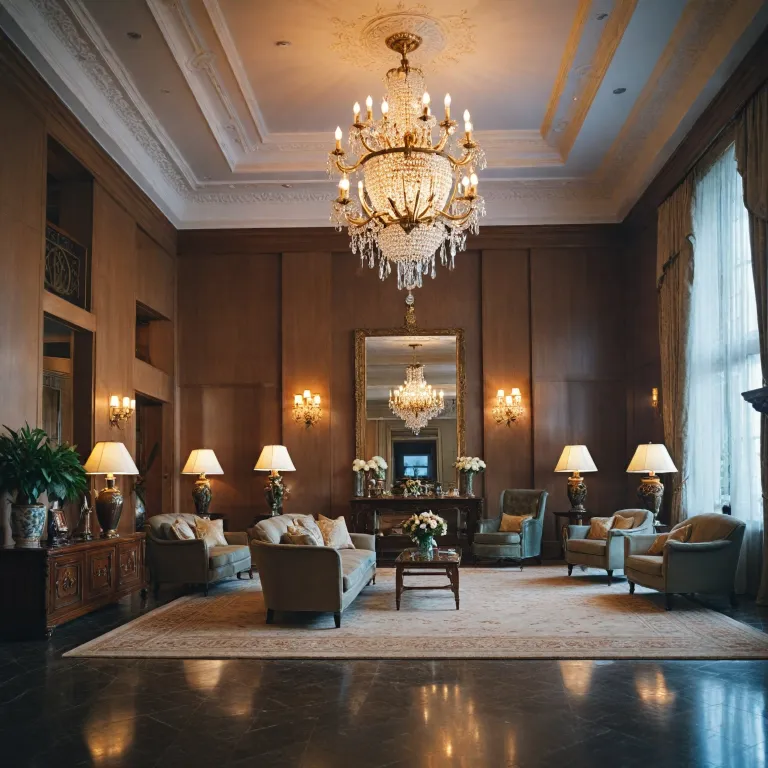
Portfolio expansion and brand differentiation in luxury hospitality
Luxury hotels are redefining their corporate strategy to address the rapidly evolving hospitality industry. Strategic acquisitions of boutique hotel brands and the development of new properties in key destinations have become central to portfolio expansion. This approach allows hotel groups to reach a broader spectrum of guests and travellers, while also enhancing the brand’s presence in the competitive market. Brand differentiation is achieved by integrating unique guest experiences and local culture into each hotel’s offering. The focus on delivering exceptional guest satisfaction and memorable stays is paramount for luxury hotels. By weaving the brand story into every guest experience, hotels create emotional connections that drive bookings and foster long-term loyalty. Marketing strategies in luxury hospitality now emphasize digital marketing, social media, and mobile engagement to reach potential guests. These efforts are complemented by targeted email marketing campaigns and content that highlights the distinctive experiences available at each property. The result is a cohesive strategy that elevates both the brand and the guest experience, ensuring sustained revenue growth and market leadership.Leveraging technology and data analytics for superior guest experiences
The integration of advanced customer relationship management (CRM) systems and data analytics tools is transforming the way luxury hotels interact with guests. By analyzing guest preferences and travel patterns, hotels can personalize every aspect of the stay, from pre-arrival communications to post-departure follow-ups. This data-driven approach enhances guest satisfaction and increases the likelihood of repeat bookings. Artificial intelligence is being used to optimize operations and tailor services to individual guests. For example, AI-powered chatbots provide instant assistance, while predictive analytics help anticipate guest needs and preferences. This technological innovation supports the delivery of seamless guest experiences and strengthens the hotel’s competitive position. Luxury hotels are also leveraging mobile platforms and social media to engage with travellers in real time. These channels enable hotels to share content that showcases unique experiences, local culture, and exclusive offers, driving bookings and building brand loyalty. For more insights on digital transformation in hospitality, explore our guide to hotel digital marketing strategies.Sustainable practices and their impact on luxury hotel strategy
Sustainability has become a cornerstone of corporate strategy in luxury hotels. Guests and travellers increasingly seek eco-friendly experiences, prompting hotels to implement green initiatives across their operations. From energy-efficient building systems to locally sourced amenities, luxury hotels are aligning their brand values with environmental responsibility. Partnerships with environmental organizations and the adoption of sustainable practices are now standard in the hospitality industry. These efforts not only appeal to environmentally conscious guests but also enhance the brand’s reputation and long-term viability. As one of the key strategies, luxury hotels are integrating sustainability into their marketing content and guest experiences, ensuring that every stay reflects a commitment to responsible travel. Loyalty programs are evolving to reward guests for choosing sustainable options, further reinforcing the hotel’s dedication to environmental stewardship. For a deeper understanding of how sustainability shapes guest experience and hotel marketing, visit our analysis on sustainable luxury hospitality.Personalization, loyalty programs, and guest retention in luxury hotels
Personalized guest experiences are at the heart of successful corporate strategy in luxury hotels. By leveraging data analytics and CRM systems, hotels can anticipate guest needs and deliver tailored services that exceed expectations. This level of personalization not only enhances the guest experience but also drives long-term loyalty and repeat bookings. Loyalty programs play a pivotal role in guest retention strategies. As stated in the dataset, "Loyalty programs are designed to increase customer retention by offering exclusive benefits, personalized offers, and rewards, thereby fostering long-term relationships with guests." These programs are integrated with digital marketing efforts, allowing hotels to engage with guests through email marketing, mobile apps, and social media. Luxury hotels are also focusing on staff training to ensure that every interaction contributes to a memorable stay. By empowering employees to deliver exceptional service, hotels reinforce their brand promise and create lasting impressions on guests.Innovation in guest experience: blending local culture and technology
The fusion of local culture and technological innovation is redefining the guest experience in luxury hotels. Hotels are curating experiences that immerse guests in the destination’s heritage, cuisine, and traditions, creating authentic connections that differentiate the brand. These unique offerings are highlighted through hotel marketing campaigns and digital content, attracting travellers seeking meaningful stays. Technology enhances these experiences by providing guests with mobile access to personalized recommendations, virtual tours, and real-time concierge services. Social media platforms are used to share guest stories and showcase the hotel’s commitment to delivering exceptional experiences. As noted in the dataset, "Luxury hotels are enhancing guest experiences by offering personalized services, integrating unique cultural and local elements, and leveraging technology to tailor services to individual preferences." Boutique hotels, in particular, excel at blending local culture with luxury hospitality, offering intimate settings and bespoke services. This approach not only appeals to discerning guests but also strengthens the hotel’s position in the competitive market. The integration of technology and culture ensures that every guest experience is memorable and aligned with the brand’s values.Driving revenue and market leadership through strategic M&A and asset management
Strategic mergers and acquisitions (M&A) are instrumental in driving revenue growth and market leadership for luxury hotel groups. By acquiring boutique and luxury hotel brands, companies can quickly expand their portfolios and enter new markets. As highlighted in the dataset, "Acquisitions allow luxury hotel chains to rapidly expand their portfolios, enter new markets, and diversify their brand offerings, contributing to increased market share and revenue growth." Asset management strategies focus on optimizing the performance of each property, ensuring that guest experiences and operational efficiency are consistently high. Data analytics and performance metrics are used to identify opportunities for improvement and maximize revenue across the hotel portfolio. This proactive approach supports the long-term success of the brand in the hospitality industry. Collaborations with real estate developers, technology providers, and luxury brands further enhance the value proposition of luxury hotels. These partnerships enable hotels to offer exclusive experiences, drive bookings, and maintain a strong presence in the global travel market. The combination of strategic M&A, asset management, and innovative guest experiences positions luxury hotels for sustained growth and industry leadership.Key statistics on corporate strategy in luxury hotels
- Marriott plans to add up to 270,000 net rooms by 2026, reflecting aggressive portfolio expansion.
- Hyatt’s acquisition of Standard International was valued at 150 million USD, strengthening its lifestyle brand portfolio.
- Accor is projected to operate 5,700 locations by the end of 2025, demonstrating significant global reach.
Frequently asked questions about corporate strategy in luxury hotels
What are the key strategies luxury hotel chains are using to expand their portfolios?
Luxury hotel chains are expanding their portfolios through strategic acquisitions of boutique and luxury brands, developing new properties in key markets, and forming partnerships with real estate developers.
How are luxury hotels enhancing guest experiences?
Luxury hotels are enhancing guest experiences by offering personalized services, integrating unique cultural and local elements, and leveraging technology to tailor services to individual preferences.
What role does sustainability play in the corporate strategies of luxury hotels?
Sustainability is a significant focus, with luxury hotels implementing eco-friendly practices, partnering with environmental organizations, and promoting sustainable tourism to appeal to environmentally conscious travelers.
Trustworthy sources for further reading
- www.marriott.com
- www.hyatt.com
- group.accor.com
